
What is BHA?
BHA stands for butylated hydroxyanisole. Its European food additive designation is E320. It is a synthetic phenolic antioxidant (a compound that inhibits oxidation), and its main job in food is to prevent fats and oils from going rancid.
Chemically, BHA is a mixture of two isomers: 2-tert-butyl-4-methoxyphenol (2-BHA) and 3-tert-butyl-4-methoxyphenol (3-BHA). Commercial-grade BHA is roughly 85-90% the 3-BHA isomer. This distinction matters: the two isomers behave differently in biological systems. Most of the carcinogenicity and endocrine research has focused on the 3-BHA form.
BHA is fat-soluble, not water-soluble. This means it concentrates in fatty foods rather than water-based ones, which explains the categories it shows up in: rendered fats, oil-based snack coatings, fat-containing dehydrated products, and breakfast cereals with added fats. The compound has been in the US food supply since the 1940s. It was added to the FDA's list of substances generally recognized as safe under 21 CFR 172.110 based on data available at the time, before the modern carcinogenicity evidence emerged.
BHA is often paired with BHT (butylated hydroxytoluene, E321), a structurally related compound. The two work synergistically, meaning a mix of the two preserves fat-containing products more effectively than either compound alone.
Is BHA safe? Regulatory positions
FDA
The FDA permits BHA in food under 21 CFR 172.110 and 21 CFR 172.115. Permitted uses include direct addition to food at concentrations up to 0.02% of the fat and oil content, as well as use in food packaging materials. BHA also has GRAS status for certain applications under 21 CFR 182.3169.
On February 11, 2026, the FDA published a Request for Information in the Federal Register (document 2026-02761) opening a post-market safety assessment of BHA, part of the agency's systematic effort to revisit legacy food additives whose safety assessments were completed before contemporary toxicological standards. The RFI is the information-gathering stage; it does not constitute a ban or restriction. BHA remains permitted while the evaluation is underway, and the FDA has not published a completion timeline.
National Toxicology Program (NTP)
The NTP's 15th Report on Carcinogens, released December 21, 2021, classifies BHA as "reasonably anticipated to be a human carcinogen." This is the NTP's second-tier classification, below "known to be a human carcinogen" but carrying formal regulatory weight. The designation is based on sufficient evidence from animal studies showing carcinogenicity, in the absence of adequate human epidemiological data to determine human relevance.
The NTP classification is not a regulatory action by itself, but it is one of the inputs that federal agencies including the FDA and OSHA use when evaluating risk.
IARC
The International Agency for Research on Cancer classified BHA as Group 2B, "possibly carcinogenic to humans," in 1986, published in IARC Monographs Volume 40 Supplement 7. Group 2B is IARC's designation for agents with limited evidence of carcinogenicity in humans or sufficient evidence in experimental animals but not both. At the time of classification, the available evidence was primarily the Ito et al. 1983 rat forestomach data. IARC has not published a formal re-evaluation of BHA since 1986, though recent mechanistic research would likely be considered in any updated assessment.
EFSA
The European Food Safety Authority's Panel on Food Additives and Nutrient Sources (ANS Panel) re-evaluated BHA in 2011-2012, publishing its scientific opinion in the EFSA Journal in 2012 (DOI: 10.2903/j.efsa.2012.2588). The panel set an acceptable daily intake (ADI) of 1.0 mg/kg body weight per day, a conservative figure that accounts for the carcinogenicity data. For a 70 kg adult, this means 70 mg of BHA per day is EFSA's upper bound for tolerable intake. EFSA noted concerns about genotoxicity at high doses and flagged that some consumer groups, particularly those with high consumption of fat-containing processed foods, could approach the ADI.
California Proposition 65
California's Office of Environmental Health Hazard Assessment (OEHHA) added BHA to the Proposition 65 list of carcinogens on January 1, 1990. The listing was based on IARC's Group 2B classification. Under Proposition 65, any product sold in California that exposes consumers to BHA at levels above the No Significant Risk Level (NSRL) of 4,000 micrograms per day must carry a warning label. The NSRL is set at 1/1000th of the dose that showed no observable carcinogenicity in the most sensitive animal study. Products below this threshold do not require a label.
Health Canada
Health Canada permits BHA as a food additive under the Food and Drug Regulations, Table IX, Division 16 (antioxidants). Permitted uses include fats and oils, dry breakfast cereals, dehydrated potato products, chewing gum, and other specified categories, at maximum levels ranging from 0.02% to 0.2% depending on the food category. Health Canada has not issued a specific consumer advisory about BHA. The department relies on JECFA assessments and EFSA's 2012 reassessment as part of its framework for evaluating food additive safety.
Japan
Japan was one of the earliest regulators to act on BHA. Following animal carcinogenicity findings in the late 1950s, Japan's Ministry of Health prohibited BHA from food in 1958. The ban was based on forestomach tumor findings in rodents. After public and industry debate, Japan later permitted BHA in limited applications (primarily in fats and oils imported for specific uses), but it remains far more restricted in Japan than in North America or Europe. Japan's early action predated the IARC and NTP assessments and was one of the data points that prompted those bodies to conduct formal reviews.
What the research says
The foundational carcinogenicity study is Ito N, Fukushima S, Hagiwara A, Shibata M, Ogiso T. "Carcinogenicity of butylated hydroxyanisole in F344 rats." Journal of the National Cancer Institute. 1983; 70(2):343-352. PMID: 6571941.
The study administered BHA at two dose levels in male and female F344 rats. The higher dose group showed a significant increase in papillomas and squamous cell carcinomas in the forestomach. Dose-dependent tumor formation in both sexes was the key finding. This study triggered Japan's earlier restriction and became the primary evidence base for both the IARC 1986 classification and the NTP's ongoing designation.
The main debate around the Ito findings is biological relevance: the forestomach is an anatomical structure present in rats and mice but absent in humans. Critics of extrapolating the findings argue that a carcinogenic response in an organ humans do not have provides limited direct evidence of human risk. Defenders of the classification note that the mechanism involves systemic oxidative stress pathways that are not forestomach-specific.
More recent research has broadened the concern from carcinogenicity to endocrine disruption:
Pop A, Drugan T, Gutleb AC, et al. "Estrogenic and anti-estrogenic activity of butylparaben, butylated hydroxyanisole, butylated hydroxytoluene and propyl gallate and their binary mixtures on two estrogen responsive cell lines." Journal of Applied Toxicology. 2018; 38(7):944-957. DOI: 10.1002/jat.3581. This cell study found BHA showed both estrogenic and anti-estrogenic activity in estrogen-sensitive cell lines, demonstrating endocrine-disrupting properties in vitro.
Sun Z, Yang X, Liu QS, et al. "Butylated hydroxyanisole isomers induce distinct adipogenesis in 3T3-L1 cells." Journal of Hazardous Materials. November 5, 2019; 379:120794. DOI: 10.1016/j.jhazmat.2019.120794. PMID: 31238218. This research found the 3-BHA isomer promoted fat cell differentiation via upstream signaling pathways. The authors noted that BHA levels detected in human serum "can potentially contribute to the incidence of obesity."
Zhang XJ, Diao MN, Zhang YF. "A review of the occurrence, metabolites and health risks of butylated hydroxyanisole (BHA)." Journal of the Science of Food and Agriculture. 2023; 103(13):6150-6166. PMID: 37127924. This 2023 review identified thyroid disruption, metabolic disorders, neurotoxicity, and carcinogenesis as key health risk areas, and called for safer alternatives. It also noted that BHA's major metabolite, tert-butylhydroquinone (TBHQ), carries its own separate risk profile.
The honest assessment: no epidemiological study has established that BHA causes cancer in humans at dietary exposure levels. The carcinogen designations come from animal data. But the accumulating endocrine, metabolic, and mechanistic research (combined with the NTP's formal classification and the FDA's 2026 review) gives regulators and health-conscious consumers legitimate reasons to track this additive.
Where you'll find BHA
BHA is a fat-soluble preservative, so it concentrates in products with significant fat content and long shelf life requirements. Unlike Red 40 or Yellow 5, BHA is not visible: it does not change color or flavor. Many consumers do not realize they are eating it because it hides in ingredient lists alongside other antioxidants.
Common product categories containing BHA:
- Dehydrated potato products (instant mashed potatoes, some flavored potato chips)
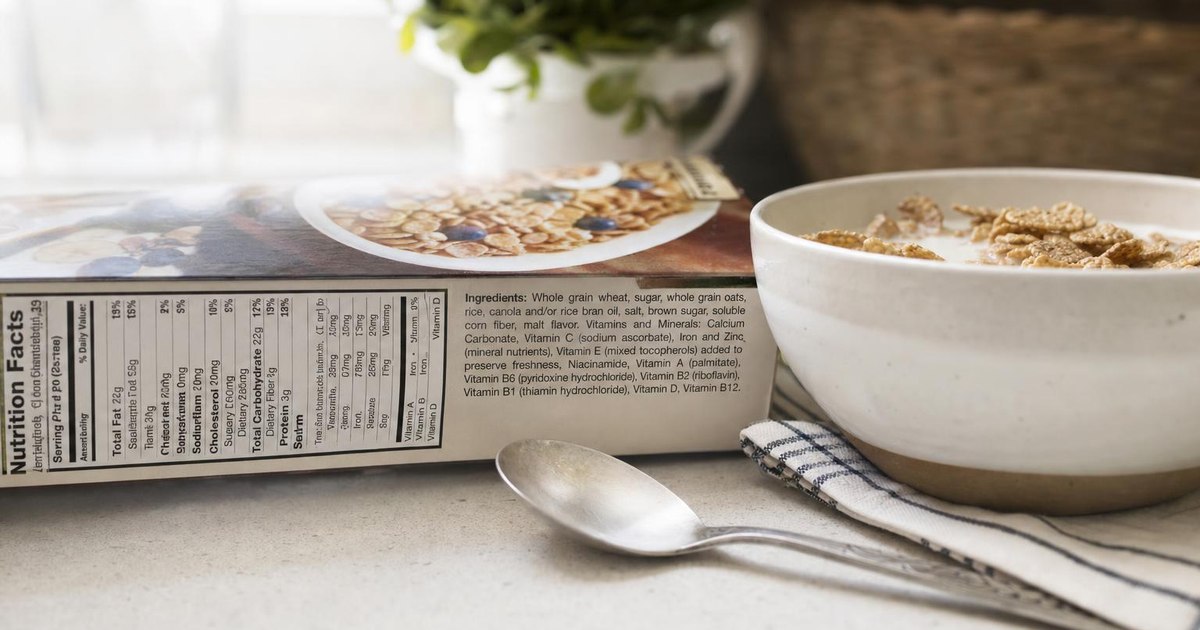
- Dry breakfast cereals, particularly those with added oils or fat-containing coatings
- Chewing gum (in the gum base)
- Rendered animal fats (lard, tallow-based shortenings)
- Vegetable shortening and some margarines
- Dry soup mixes and bouillon products
- Dried sausage, pepperoni, salami, and some beef jerky
- Snack crackers and biscuit products with oil-based seasonings
- Some bread and baked goods containing lard or shortening
- Certain beer and malt beverages (in the packaging material, which can transfer)
- Cosmetics and pharmaceuticals (not food, but a relevant exposure route)
On labels, BHA is listed by name in the US and Canada. In the EU and UK, it appears as E320. It often appears at the end of a long ingredient list, preceded or followed by BHT (E321).
Products containing BHA
These five products are verified against current Open Food Facts data as containing BHA (E320). All are classified NOVA Group 4 (ultra-processed industrial formulations).
| Brand | Product | Nutri-Score | NOVA | Notes |
|---|---|---|---|---|
| Hormel | Turkey Pepperoni | E | 4 | Cured meat. BHA stabilises the rendered fat against rancidity during the long shelf life of dry-cured pepperoni. |
| Johnsonville | Original Recipe Breakfast Sausage | E | 4 | Frozen breakfast sausage. BHA prevents oxidation of pork fat through the freeze-thaw cycle. |
| Stove Top | Stuffing Mix | E | 4 | Dry stuffing mix. BHA protects the seasoned oil and dried bread cubes during ambient shelf storage. |
| Hungry Jack | Mashed Potatoes (Instant) | A | 4 | Dehydrated potato product. BHA is standard in instant mashed potato to prevent the trace fat from going rancid. Note the Nutri-Score A despite NOVA Group 4: a reminder that nutrition score and processing level measure different things. |
| Jack Link's | Beef Stick & Cheese | E | 4 | Dried meat snack. BHA paired with sodium nitrite to extend the cured meat shelf life without refrigeration. |
OFF community-submitted data, verified 2026-05-21. Brand formulations can change without an OFF update; the right way to check a specific product you are about to eat is to scan it with NoJunk or read the current ingredient panel.
What to use instead
BHA's function in food (preventing oxidative rancidity in fats and oils) has several well-established natural alternatives:
Rosemary extract (E392): The most widely adopted natural antioxidant in food manufacturing. Carnosic acid and carnosol in rosemary extract scavenge free radicals effectively. Used in chips, snack foods, and meat products. The main limitation is that it can impart a faint herbal note at high concentrations, which limits use in neutral-flavored products.
Mixed tocopherols (vitamin E, E307/E308/E309): The natural form of vitamin E is a potent fat-soluble antioxidant. It is already the preferred preservative in many products marketed as "natural" or "clean label." Less effective than BHA at very high temperatures or in products with extremely long shelf lives (18+ months).
Ascorbic acid and ascorbyl palmitate (E300/E304): Vitamin C and its fat-soluble ester form are effective in combination with tocopherols. Ascorbyl palmitate in particular works in oily systems where water-soluble ascorbic acid cannot.
Modified atmosphere packaging: Replacing oxygen with nitrogen or carbon dioxide in the package headspace delays oxidation without any additive at all. More capital-intensive but increasingly viable for crackers, chips, and cereal.
Refrigeration: For products that can tolerate cold chain distribution, eliminating BHA and BHT in favor of refrigeration is straightforward. Many natural food manufacturers take this route with nut butters and oils.
The clean label shift has accelerated: many major manufacturers have quietly reformulated away from BHA and BHT over the past decade. The continued presence of BHA in the products that still carry it reflects either legacy formulations that have not been updated, or genuinely difficult technical challenges in specific product categories like dehydrated potatoes at ambient temperature.
FAQ
Is BHA banned in any country?
BHA is not outright banned in most countries, but Japan restricted it from most food applications in 1958, one of the earliest regulatory actions on BHA globally, triggered by forestomach tumor findings in animal studies. Japan later permitted BHA in limited applications for fats and oils. California added BHA to Proposition 65 in 1990, requiring warning labels on products sold there that exceed the No Significant Risk Level. The EU, US, and Canada all permit BHA within established limits.
Why is BHA considered a possible carcinogen?
The NTP's 2021 Report on Carcinogens classifies BHA as "reasonably anticipated to be a human carcinogen" and IARC classified it as Group 2B ("possibly carcinogenic to humans") in 1986. Both classifications rest primarily on the Ito et al. 1983 study, which found forestomach tumors in rats at high BHA doses. The ongoing scientific debate is about whether those findings translate to human risk, given that the forestomach is an organ rodents have and humans do not.
What foods contain BHA?
BHA is most common in products where fat content needs protection from oxidation over long shelf lives: dehydrated potato products, dry breakfast cereals, chewing gum, rendered animal fats and shortenings, dried sausage and cured meats, dry soup mixes, and snack crackers. It often appears alongside BHT. Look for "BHA," "butylated hydroxyanisole," or "E320" in ingredient lists.
What does the FDA's 2026 BHA review mean?
On February 11, 2026, the FDA published a Request for Information in the Federal Register (document 2026-02761) formally opening a post-market safety assessment of BHA. This does not mean BHA has been banned or restricted: it is still permitted under 21 CFR 172.110. The review signals the FDA is applying current toxicological standards to a substance that has been in the food supply for more than 75 years. The outcome could be reaffirmation of current limits, new restrictions, or revocation of permitted status, but no decision has been announced.
Is BHA safe during pregnancy?
No health authority has issued a specific BHA warning for pregnant people at dietary exposure levels. Animal studies at high doses have found reproductive effects, but human dietary intake is far below those experimental levels. EFSA's ADI of 1.0 mg/kg body weight per day was established for the general population and is considered protective for all life stages including pregnancy. Some individuals prefer to minimize consumption of ingredients with active carcinogen designations during pregnancy as a general precaution. That is a personal decision, not a regulatory requirement.
What is the difference between BHA and BHT?
BHA (E320) and BHT (E321) are both synthetic phenolic antioxidants that prevent oxidative rancidity in fats. They are chemically similar but not identical. BHA has a stronger and more consistent carcinogen signal across animal studies than BHT. Both are permitted in the US, Canada, and EU. Both are under increasing scrutiny from regulators and are being phased out by many manufacturers in favor of natural alternatives.
Does BHA disrupt hormones?
Yes, according to multiple cell and animal studies. A 2018 study in the Journal of Applied Toxicology found BHA showed both estrogenic and anti-estrogenic activity in estrogen-sensitive cell lines. A 2019 study in the Journal of Hazardous Materials linked the 3-BHA isomer to fat cell development in ways that could contribute to obesity risk. A 2023 review identified thyroid system disruption as a key concern area. These are mechanistic studies. They have not established human endocrine harm at typical dietary exposure. But the pattern is consistent enough that regulatory bodies including the FDA are factoring it into their current review.
Sources
-
Ito N, Fukushima S, Hagiwara A, Shibata M, Ogiso T. "Carcinogenicity of butylated hydroxyanisole in F344 rats." Journal of the National Cancer Institute. 1983; 70(2):343-352. PMID: 6571941
-
National Toxicology Program. 15th Report on Carcinogens. Released December 21, 2021. BHA profile. US Department of Health and Human Services. https://ntp.niehs.nih.gov/ntp/roc/content/profiles/butylatedhydroxyanisole.pdf
-
IARC Working Group on the Evaluation of Carcinogenic Risks to Humans. IARC Monographs on the Evaluation of Carcinogenic Risks to Humans, Volume 40, Supplement 7. Lyon: International Agency for Research on Cancer, 1987. BHA classification: Group 2B.
-
EFSA ANS Panel. "Scientific opinion on the re-evaluation of butylated hydroxyanisole (BHA, E 320) as a food additive." EFSA Journal. 2012; 10(3):2588. DOI: 10.2903/j.efsa.2012.2588
-
Zhang XJ, Diao MN, Zhang YF. "A review of the occurrence, metabolites and health risks of butylated hydroxyanisole (BHA)." Journal of the Science of Food and Agriculture. 2023; 103(13):6150-6166. PMID: 37127924
-
Pop A, Drugan T, Gutleb AC, et al. "Estrogenic and anti-estrogenic activity of butylparaben, butylated hydroxyanisole, butylated hydroxytoluene and propyl gallate and their binary mixtures on two estrogen responsive cell lines (T47D-Kbluc, MCF-7)." Journal of Applied Toxicology. 2018; 38(7):944-957. DOI: 10.1002/jat.3581. PMID: 29460325
-
Sun Z, Yang X, Liu QS, et al. "Butylated hydroxyanisole isomers induce distinct adipogenesis in 3T3-L1 cells." Journal of Hazardous Materials. 2019; 379:120794. DOI: 10.1016/j.jhazmat.2019.120794. PMID: 31238218
-
California Office of Environmental Health Hazard Assessment (OEHHA). "Proposition 65 Chemical: Butylated Hydroxyanisole (BHA)." Listed January 1, 1990. No Significant Risk Level: 4,000 micrograms/day. https://oehha.ca.gov/proposition-65/chemicals/butylated-hydroxyanisole
-
US Food and Drug Administration. 21 CFR 172.110: Butylated hydroxyanisole. Electronic Code of Federal Regulations. Title 21, Chapter I, Subchapter B, Part 172.
-
Federal Register. "Butylated Hydroxyanisole (BHA); Request for Information." Document 2026-02761, FDA/HHS. February 11, 2026. https://www.federalregister.gov/documents/2026/02/11/2026-02761/butylated-hydroxyanisole-bha-request-for-information
-
Health Canada. Table IX: Permitted Antioxidants. Food and Drug Regulations, Division 16. Government of Canada. https://www.canada.ca/en/health-canada/services/food-nutrition/food-safety/food-additives/lists-permitted/9-antioxidants.html
-
Jeong SH, Kim BY, Kang HG, et al. "Effects of butylated hydroxyanisole on the development and functions of reproductive system in rats." Toxicology. 2005; 208(1):49-62. PMID: 15664432
-
Open Food Facts database. Product entries referenced in product table above. https://world.openfoodfacts.org (accessed May 2026)
Frequently asked questions
Common questions about this ingredient.
Is BHA banned in any country?
BHA is not outright banned in most countries, but it has faced significant regulatory scrutiny. Japan banned BHA from foods in 1958 after forestomach tumor findings in animal studies, though it later allowed limited use in fats and oils under strict conditions. California added BHA to its Proposition 65 list of carcinogens in 1990, requiring warning labels on products sold in California that contain it. The EU permits BHA in food at specified limits and has not banned it, though EFSA has set a conservative acceptable daily intake. In the US, BHA remains permitted under 21 CFR 172.110 while the FDA is conducting a formal safety review announced in February 2026.
Why is BHA considered a possible carcinogen?
The carcinogen designation comes from animal studies, primarily a 1983 study by Ito et al. published in the Journal of the National Cancer Institute (PMID: 6571941). That study found that high doses of BHA caused papillomas and squamous cell carcinomas in the forestomach of F344 rats. The forestomach is a structure found in rats and mice but not in humans, which is why the relevance to human cancer risk is debated. The National Toxicology Program's 15th Report on Carcinogens (2021) classifies BHA as 'reasonably anticipated to be a human carcinogen' based on this and related animal evidence. IARC classified BHA as Group 2B ('possibly carcinogenic to humans') in 1986 based on the same body of animal data. Neither classification means BHA has been shown to cause cancer in humans at dietary exposure levels. They reflect the weight of animal evidence.
What foods contain BHA?
BHA is most common in foods that contain fats or oils with long shelf lives, because BHA's primary function is to prevent oxidative rancidity. Common categories include: dehydrated potato products (instant mashed potatoes, some potato chips), dry breakfast cereals, chewing gum, shortening, lard and rendered fat products, dried soups and bouillon, meat products (sausages, pepperoni, some beef jerky), and snack foods with oil-based coatings. It also appears in some medications, cosmetics, and food packaging materials. On a label, look for 'BHA', 'butylated hydroxyanisole', or 'E320'. It often appears alongside BHT (butylated hydroxytoluene), a chemically similar preservative.
What does the FDA's 2026 BHA review mean?
The FDA opened a post-market safety assessment of BHA with a Request for Information published in the Federal Register on February 11, 2026 (document 2026-02761). This is the information-gathering stage of the agency's systematic post-market review of legacy food chemicals (BHT is on the same track, with its own RFI published May 13, 2026). An RFI is not a ruling: BHA can be reaffirmed, restricted, or have its permitted status revoked at the end of the process, and no decision or completion timeline has been announced. Until any rulemaking is finalized, BHA remains permitted under existing regulations.
Is BHA safe during pregnancy?
No health authority has issued a specific pregnancy warning for BHA at dietary exposure levels. The NTP 'reasonably anticipated carcinogen' classification and IARC Group 2B designation apply to the general population. Some animal research has identified reproductive system effects at high doses. A 2005 study by Jeong et al. found developmental impacts on reproductive organs in rats at high experimental doses. Human exposure through food is far lower than doses used in those studies. That said, pregnant individuals in jurisdictions with general precautionary guidance on food additives may choose to minimize BHA consumption as a reasonable precaution. This is a personal risk assessment decision, not a regulatory directive. <!-- TODO: check if Health Canada's current prenatal nutrition guidance mentions BHA specifically -->
What is the difference between BHA and BHT?
BHA (butylated hydroxyanisole, E320) and BHT (butylated hydroxytoluene, E321) are both synthetic phenolic antioxidants used as preservatives in food. They work by the same mechanism: donating hydrogen atoms to free radicals that would otherwise cause oxidative rancidity in fats and oils. They are often used together because the combination is more effective than either alone. Their regulatory and toxicological profiles differ: BHA has a stronger carcinogen signal (NTP 'reasonably anticipated', IARC Group 2B, California Prop 65 listing) than BHT, which has a weaker and less consistent animal carcinogenicity dataset. Both are permitted in the US, Canada, and EU at specified levels. Both are under the same class of phenolic antioxidants whose safety assessments are being revisited by regulators.
Does BHA disrupt hormones?
Research since the 2010s has identified endocrine-disrupting properties in BHA. A 2018 study by Pop et al. in the Journal of Applied Toxicology found that BHA demonstrated both estrogenic and anti-estrogenic activity in estrogen-sensitive cell lines, depending on context and concentration. A 2019 study by Sun et al. in the Journal of Hazardous Materials found that the 3-BHA isomer promoted fat cell differentiation (adipogenesis) through upstream signaling pathways, with the authors noting that BHA's presence in human serum 'can potentially contribute to the incidence of obesity.' A 2023 review in the Journal of the Science of Food and Agriculture (Zhang et al.) identified thyroid system disruption, metabolic disorders, neurotoxicity, and carcinogenesis as key areas of concern. These are mechanistic and animal studies. They do not establish human clinical harm at typical dietary exposure. But they represent a growing body of evidence that is informing the FDA's current review.
The app reads ingredient labels with your camera and flags this and hundreds of other additives in seconds.
